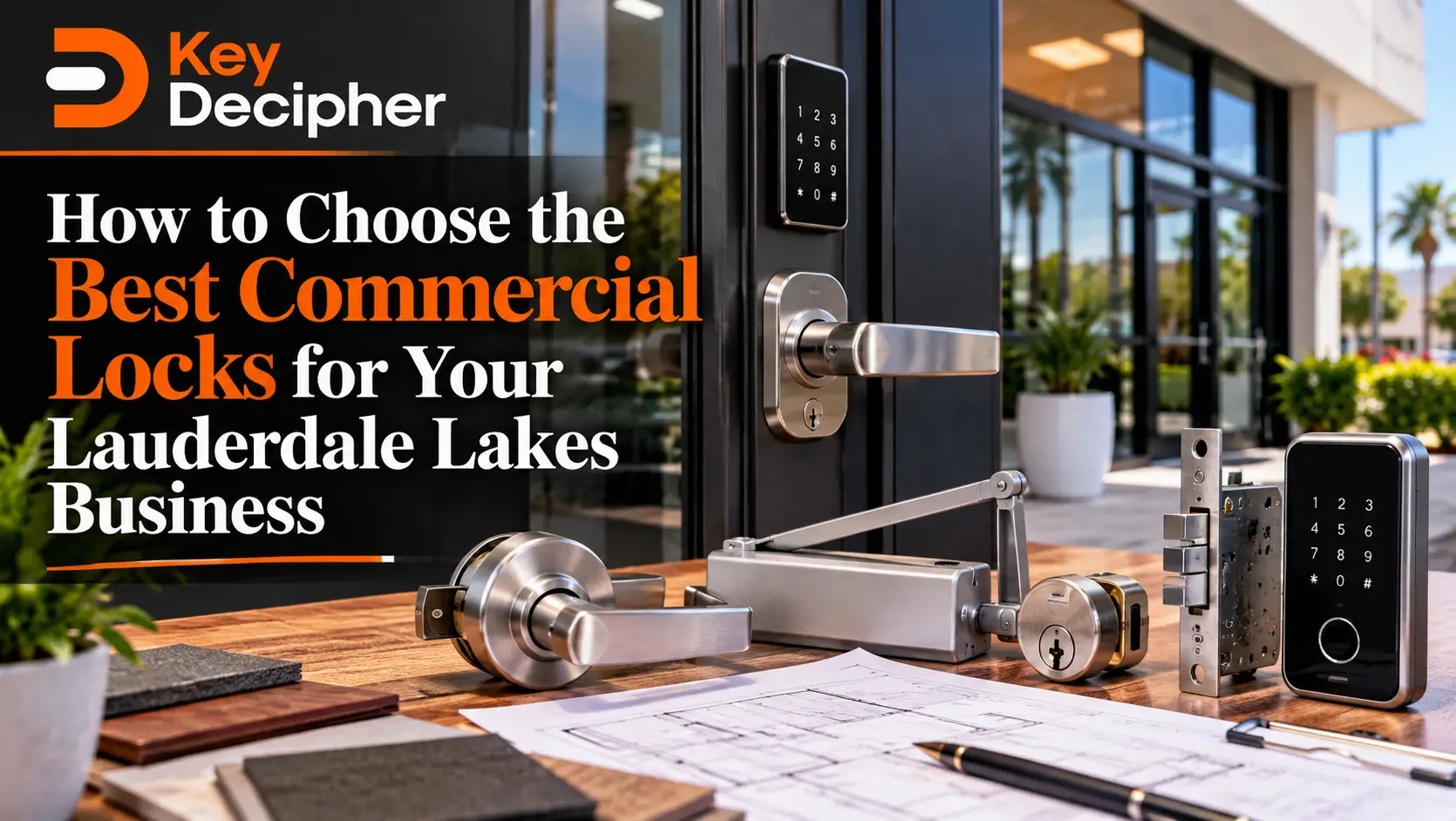
A storefront lock may face dozens of daily uses, while an office lock may need to restrict access to confidential records. Warehouses, medical offices, and shared commercial buildings also have different security requirements.
The best lock for commercial property depends on the door, expected traffic, and who needs access. Choosing suitable hardware helps business owners balance durability, convenience, and security without paying for features their property does not need.
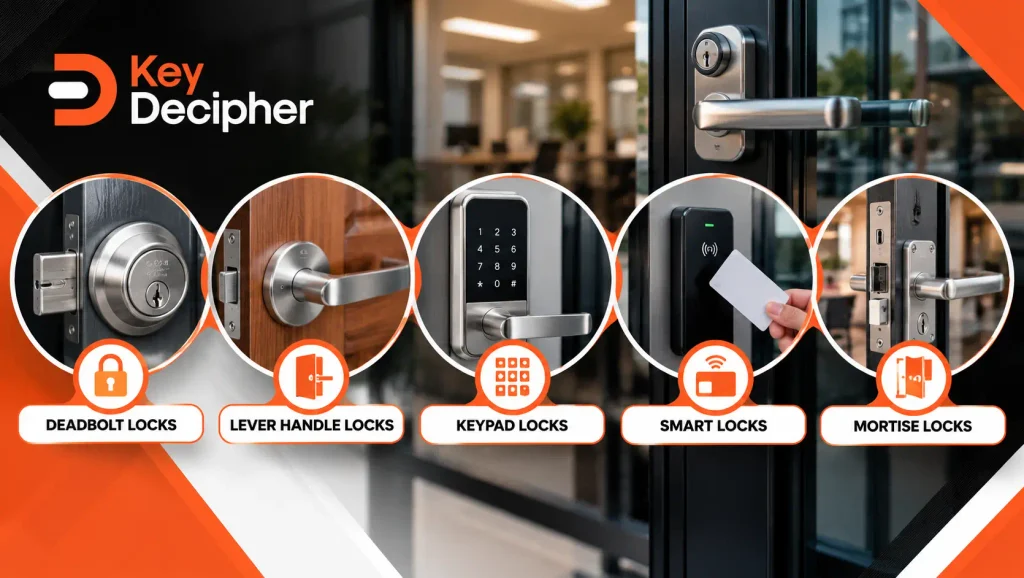
Compare the Main Types of Commercial Locks
Commercial doors use several locking mechanisms. Each has strengths, so the right choice depends on how the entrance operates and the protection required.
| Lock type | Best suited for | Main advantage |
| Mortise lock | Busy storefronts and office entrances | Durable, integrated hardware |
| Cylindrical lock | Standard office and interior doors | Practical, straightforward installation |
| Deadbolt | Doors needing additional mechanical security | Strong locking bolt when correctly installed |
| Electronic lock | Offices with changing staff access | Keypad, card, or credential-based entry |
| Restricted key system | Businesses managing many physical keys | Better control over key duplication |
Which Lock Works Best for Your Business?
Mortise locks for high-traffic entrances
A commercial mortise lock fits into a pocket cut into the door. Its robust construction makes it a strong option for frequently used entrances where durability matters. It can also combine latching and locking functions in one assembly.
Consider a mortise lock for a busy retail entrance or office building, provided the door is compatible. Installation may require specialized hardware and professional fitting, particularly when replacing an existing lock.
Cylindrical locks for everyday office doors
Cylindrical locks are common on office doors and other commercial spaces. They are generally simpler to install than mortise systems and come in commercial-grade options suited to different levels of use.
For staff rooms, interior offices, or standard business doors, a suitable commercial cylindrical lock may offer the right balance. Check its performance grade rather than assuming every lock with the same appearance provides equal durability.
Deadbolts for additional mechanical security
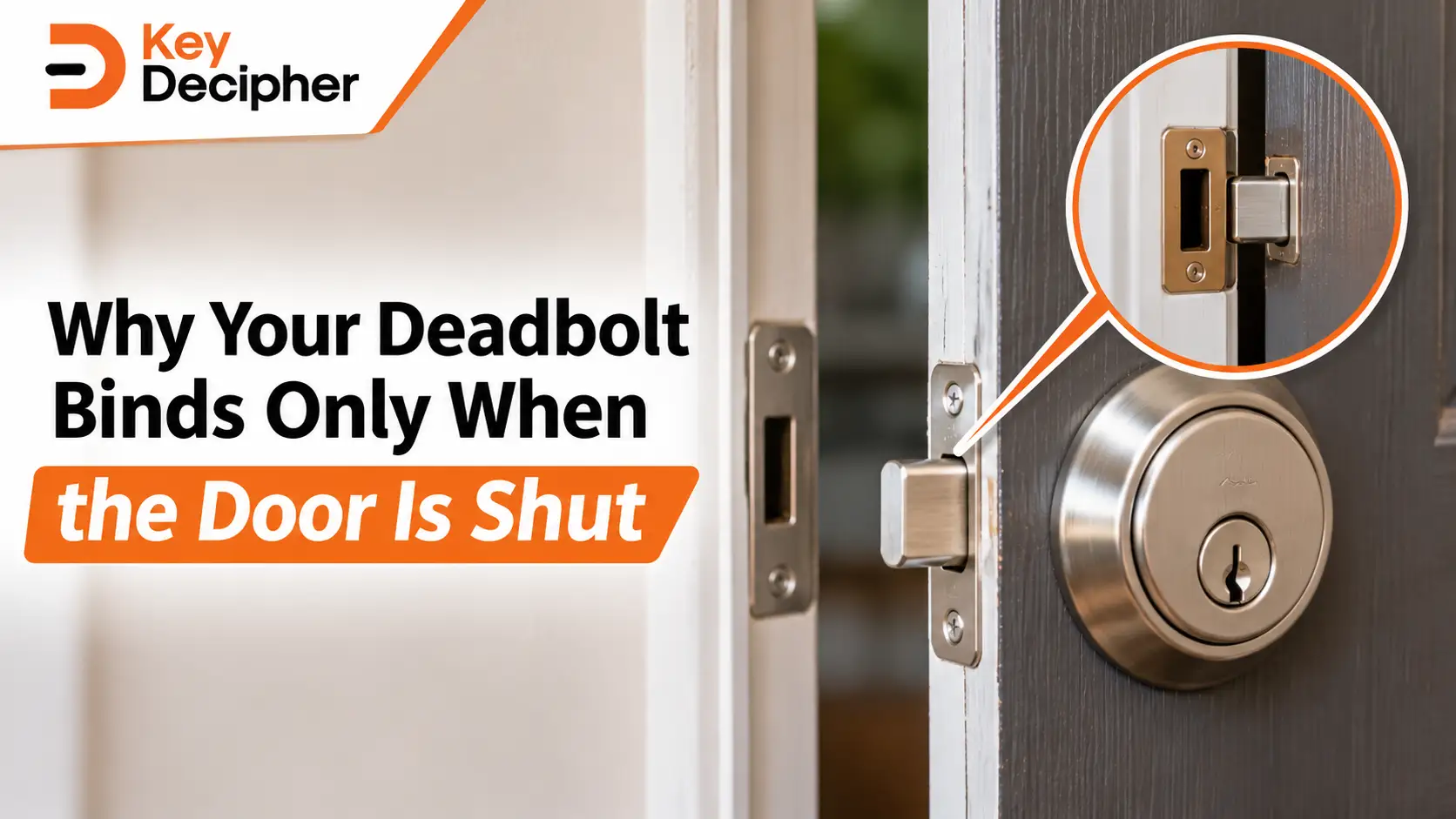
A deadbolt Installation can provide added resistance to forced entry when installed with compatible door hardware and a secure frame. It may suit certain exterior doors, storage rooms, or restricted areas.
However, a deadbolt is not automatically the best choice for every entrance. The door design, existing lock, and emergency-exit requirements must be considered before adding or changing locking hardware.
Electronic locks for controlled access
Electronic locks allow authorized users to enter with a keypad code, card, fob, or other credential. They can simplify access changes when employees join or leave, especially in offices with several restricted areas.
Before installation, consider power requirements, credential management, backup entry procedures, and ongoing maintenance. Electronic access control can be useful, but the system must match the building’s layout and operational needs.
Understand Commercial Lock Grades
A lock’s grade offers more useful information than appearance or price alone. ANSI/BHMA standards evaluate applicable hardware for factors such as strength, operation, durability, and security.
- Grade 1: Often appropriate for demanding commercial applications and high-use entrances.
- Grade 2: Can suit many standard commercial doors with moderate use.
- Grade 3: Generally intended for lighter-duty applications; verify suitability before using it on a critical entrance.
The exact requirements depend on the lock category and applicable standard. For example, mortise locks and cylindrical locks are assessed under different ANSI/BHMA standards. Ask the locksmith to confirm the grade and intended application of the specific product.
Match the Lock to the Property
Choosing hardware becomes easier when you start with the door’s purpose instead of shopping by brand alone.
| Business area | Practical option to consider |
| Retail storefront | Commercial mortise lock or suitable heavy-duty entrance hardware |
| Private office | Commercial cylindrical lock or electronic lock |
| Warehouse storage | Commercial-grade deadbolt or restricted-access locking system |
| Multi-employee workplace | Restricted key system or electronic access control |
| Interior utility room | Appropriate commercial cylindrical lock |
These are starting points, not universal specifications. Door material, frame condition, existing hardware, and local code requirements can affect the final choice.
For Lauderdale Lakes businesses, commercial lock selection should also account for the local operating environment. The city identifies retail trade, professional services, and healthcare among its business sectors. A public-facing store may prioritize reliable entrance hardware, while a healthcare or professional office may need tighter control over staff-only areas.
Do Not Overlook Key Control and Exit Safety
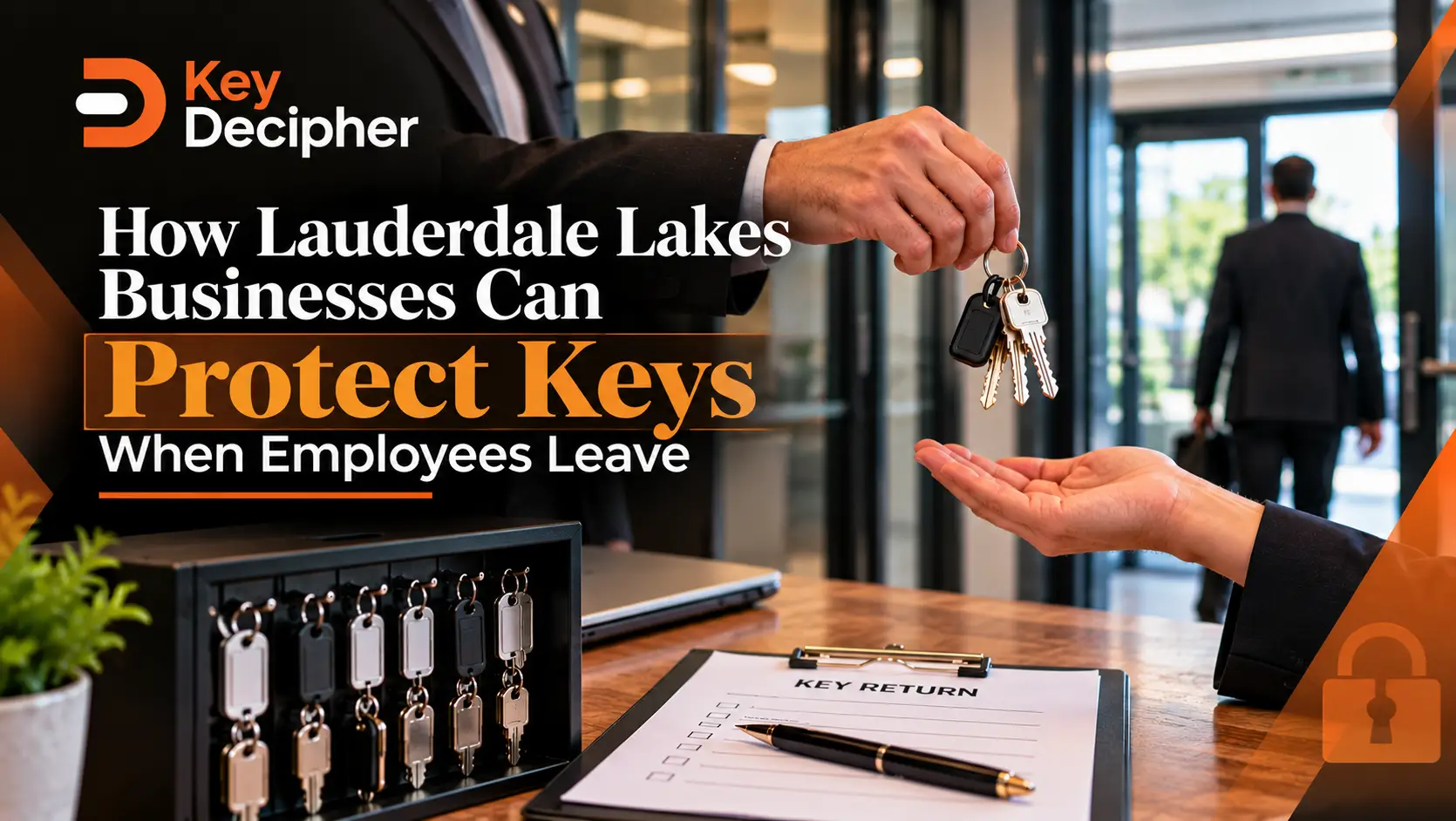
Even a strong lock can become a liability if too many unauthorized people have keys. Businesses should maintain a record of issued keys, limit access to sensitive areas, and review permissions when employees leave.
A restricted key system can help control duplication, while electronic credentials can often be disabled without changing the physical lock. For more guidance, review employee key control practices when updating workplace security procedures.
Never choose a locking system without considering safe exit. Fire doors, exit devices, and electronically controlled entrances may be subject to specific code requirements. Some doors must allow occupants to leave without a key, special knowledge, or unusual effort. Have a qualified professional confirm compliance before modifying exit hardware.
Frequently Asked Questions
What is the most common type of commercial door lock?
Cylindrical locks are common on many office and interior doors. Mortise locks are also widely used where durable entrance hardware is needed. The best option depends on the door and its use.
Is a Grade 1 lock always the best choice?
Not necessarily. Grade 1 hardware is designed for demanding applications, but the correct lock must also fit the door, meet code requirements, and support the property’s access needs.
Are electronic locks more secure than mechanical locks?
Not automatically. Electronic locks offer convenient access management, but security depends on the hardware, credentials, installation, maintenance, and backup procedures.
Should every commercial exterior door have a deadbolt?
No. Some doors need specific exit hardware or integrated locking functions. A locksmith should assess the door and applicable safety requirements before recommending an additional deadbolt.
When should a business replace its commercial locks?
Consider replacement when hardware is damaged, unreliable, unsuitable for the door, or unable to meet current security needs. Lost keys or staff changes may require rekeying or credential updates instead.
Final Thoughts: Choose Security That Fits Your Business
The right commercial lock should match the door, daily traffic, access requirements, and safety rules. Compare performance grades, consider how keys or credentials will be managed, and avoid choosing hardware based on price alone.
Key Decipher, LLC. can help businesses assess their commercial locking needs and provide options suited to their property. A professional evaluation can clarify compatibility, security priorities, and the practical steps needed to improve access control.