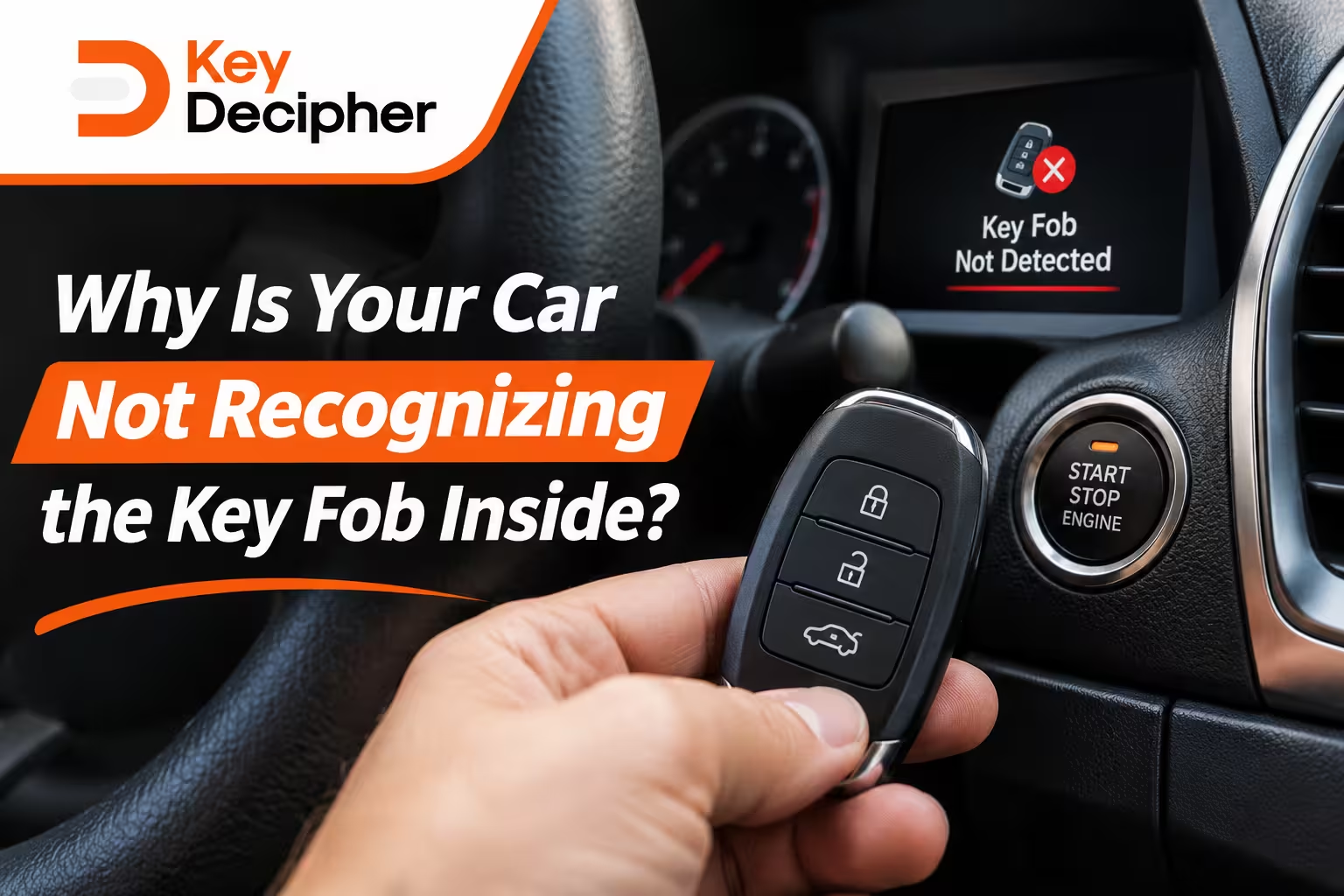
You are sitting in the driver’s seat with the key fob in your pocket, but the dashboard keeps displaying “Key Not Detected.” The doors may have unlocked normally, yet the push-button start will not respond. Moving the fob closer sometimes works, but the warning returns on another trip.
This message means the vehicle has not successfully received or authenticated the key’s signal. The fob may be inside the cabin without being in a reliable detection area, or another part of the keyless system may be failing. The right first step is to identify when and where recognition stops.
Why Being Inside the Car Does Not Guarantee Detection
A smart key communicates with the vehicle using radio-frequency signals. Interior antennas detect the fob, while the immobilizer and related control modules verify that it is an authorized key. These are separate parts of the process: the car may detect a signal but still fail to authenticate it.
The location of the fob matters. A bag, metal case, nearby electronic device, or position outside the cabin antenna’s effective range may affect communication. The exact detection zones and emergency start location vary by vehicle, so the owner’s manual is the best guide.
Start With the Clues You Can Safely Check
Before assuming the key needs replacement, compare what happens when the warning appears.
| What you notice | What it may point to |
| The warning disappears when the fob is moved | Position, obstruction, or signal interference |
| Remote buttons work only close to the car | Weak fob battery or damaged transmitter |
| The spare key works normally | A problem with the primary fob |
| Both keys fail in the same way | Vehicle battery, antenna, receiver, or immobilizer issue |
| Other dashboard electronics behave strangely | Possible low vehicle-battery voltage or electrical fault |
These observations are useful diagnostic clues, not proof of a particular failure. For example, working door locks do not guarantee that the push-button start system can authenticate the key.
Try the Manufacturer’s Basic Recovery Steps
Keep the vehicle parked safely and follow the steps in its owner’s manual:
- Take the fob out of a bag or pocket and place it in the manufacturer-recommended location inside the cabin.
- Move phones, wireless accessories, other keys, and RFID cards away from the fob.
- If available, try the spare registered key and note whether the warning changes.
- Check the fob battery type and orientation, then replace it if needed.
- If the car still does not recognize the fob, use only the model-specific emergency start procedure described in the manual.
Some cars allow the key fob to be placed against a designated area or held near the start button. This emergency method can help when the fob battery is low, although availability depends on the vehicle model.
| Important: Do not pry open the fob with unsuitable tools, short its battery contacts, or attempt random programming steps. A damaged case or circuit board can turn a minor issue into a replacement. |
The Fault May Be in the Fob or the Vehicle
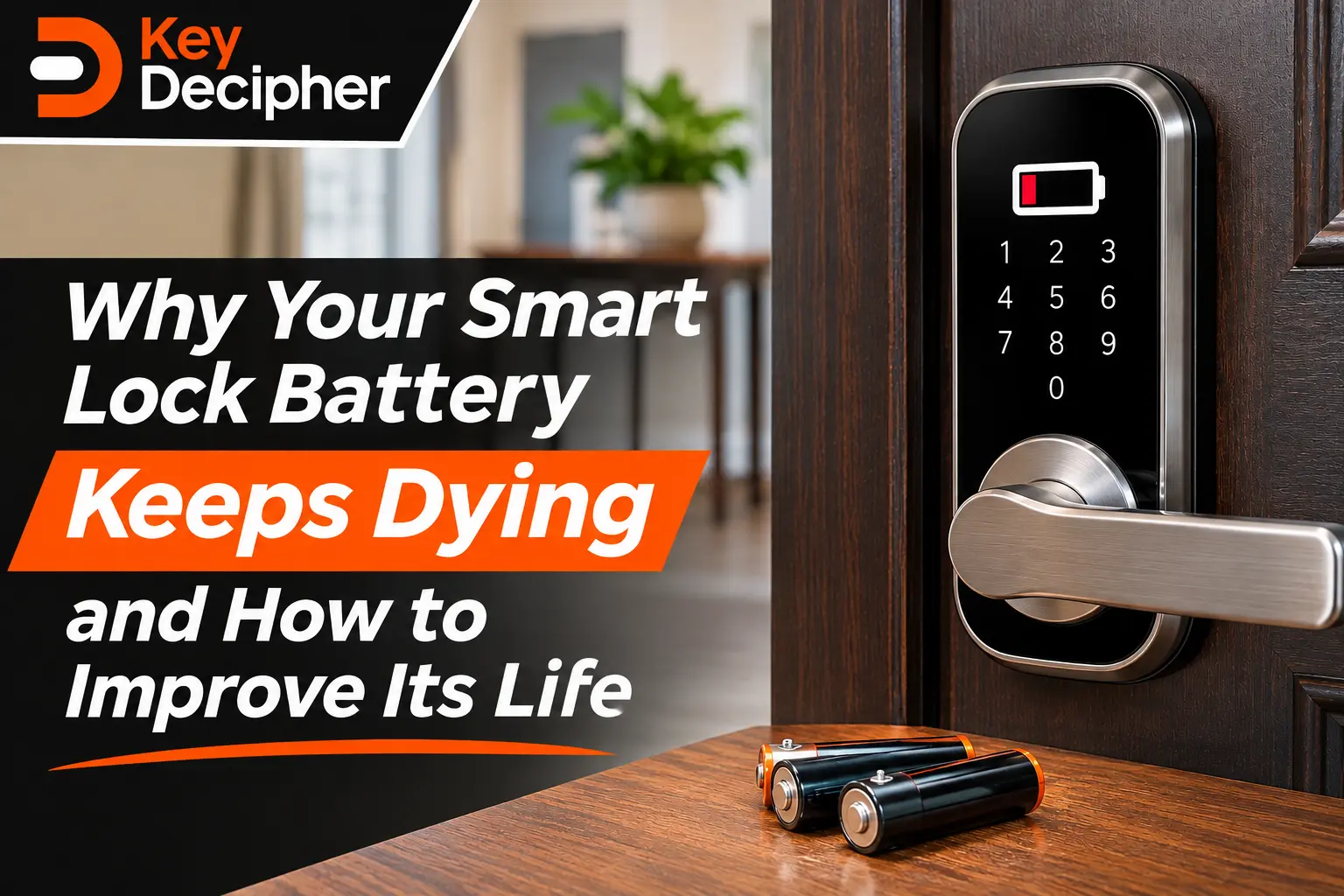
A weak coin-cell battery is a common reason for reduced detection range. The fob may still operate intermittently, which can make the problem seem unpredictable. Use the exact battery specified by the manufacturer and check that the contacts are clean and seated correctly.
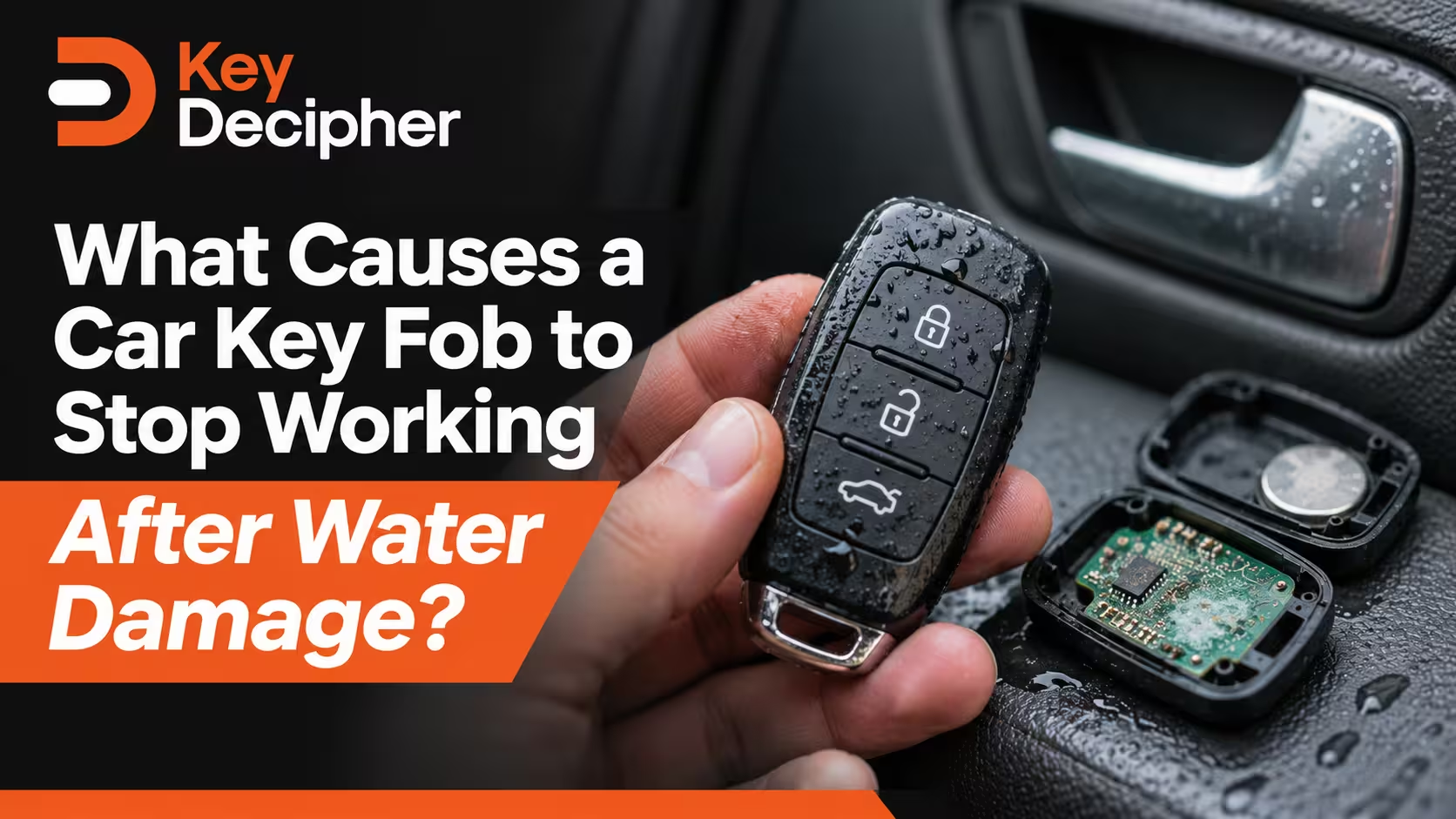
A fob that has been dropped or exposed to liquid may have damaged buttons, a transmitter, or its internal circuit board. Replacing the battery will not repair those components. If the new battery drains unusually quickly, the fob may also have an internal electrical problem.
The vehicle side deserves attention when both registered keys produce the same warning. A weak 12-volt vehicle battery can affect electronic modules. A faulty keyless entry antenna, damaged wiring, receiver, or immobilizer-related module can also interrupt recognition. A diagnostic scan and electrical tests help separate these possibilities.
When to Stop Troubleshooting and Get Help
Arrange a professional assessment if the warning continues after the basic checks, appears with both keys, or is accompanied by an immobilizer or security-system message. Also seek help if the fob is cracked, wet, unusually hot, or has visible battery-contact damage.
A qualified automotive locksmith can test the fob, inspect its battery contacts, check signal output, and determine whether replacement or electronic key registration is needed. If the fob tests correctly, the vehicle may need a technician to examine its antennas, wiring, battery condition, and control modules.
Key Decipher, LLC. can help identify whether a smart key recognition problem comes from the fob, its programming, or the vehicle’s keyless entry system. Testing before ordering parts helps avoid replacing a key when the actual fault is in the car.
Frequently Asked Questions
Can a car say “Key Not Detected” when the fob battery is new?
Yes. The battery may be incorrectly installed, the wrong type, or making poor contact. A damaged transmitter, interference, or a vehicle-side fault can produce the same warning.
Why Does My Car Unlock With the Key Fob but Refuse to Start?
Remote locking and push-button starting may use different detection and authentication steps. The fob may operate the door locks but still fail the vehicle’s start authorization check.
Can a dead key fob battery stop the engine while I am driving?
Many vehicles continue running after the engine has started, even if the fob signal is lost. However, restarting may not be possible until the key is detected again. Check the owner’s manual for the specific vehicle.
Does a Key Fob Need Reprogramming When Your Car Fails to Recognize It?
Not necessarily. A weak battery, poor contact, interference, or a vehicle antenna fault may be responsible. Programming should be considered only after testing shows that the key has lost its registration or needs replacement.
Final Thoughts: Restore Reliable Key Recognition
A “Key Not Detected” warning does not automatically mean the fob has failed. Its battery, position, and condition are sensible starting points, but repeated warnings may involve the vehicle battery, antennas, or immobilizer system.
Avoid guessing at replacements or attempting unverified programming steps. Key Decipher, LLC. can help pinpoint the source of the recognition failure and provide the appropriate repair, replacement, or programming service.